Purpose
To align the different parts of Atlas (global platform) to identify pain points and opportunities for our users around the Atlas product.
Additionally to leverage the various workstreams knowledge and expertise to come together and create an end to end journey.
The approach – Inside out
A hypothesis-first approach: Workshop with internal stakeholders, from which the output is a hypothesis journey map based on existing knowledge and assumptions. However, this approach should be followed up with research to validate the draft.
Objectives
- Alignment with workstreams
- Baseline of our journeys
- Opportunities / Measurements of changes (how might we measure impact on our journeys?)
- Future journeys (what’s new? what should be prioritised?)
Goal
To create an end to end journey map that we can use as a collaboration tool in order to identify Atlas product opportunities.
Example site
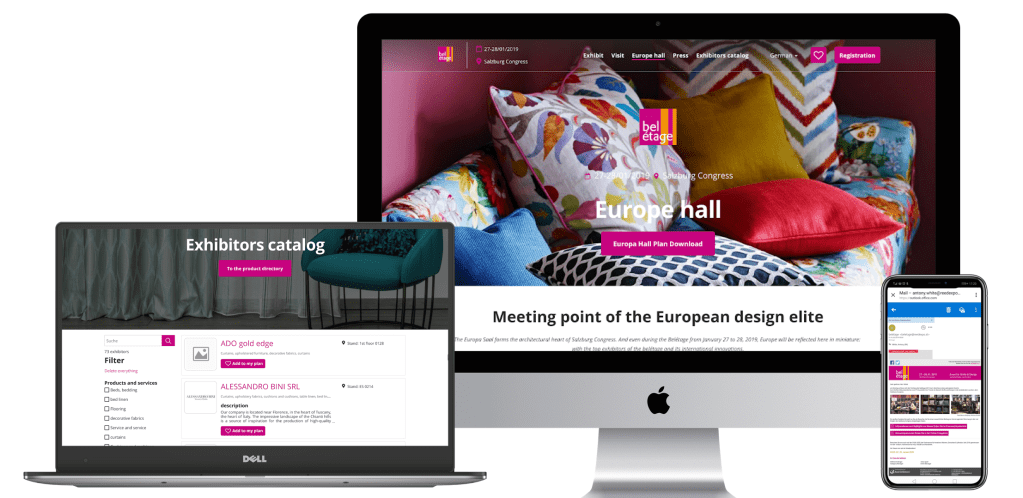
We chose one of the original sites on the Atlas platform, Beletage. This site was used also due to not being overly complicated so that we could focus on a core journey.
Actor

Simone our actor was used to go through the end to end journey of engaging with the Beletage site.
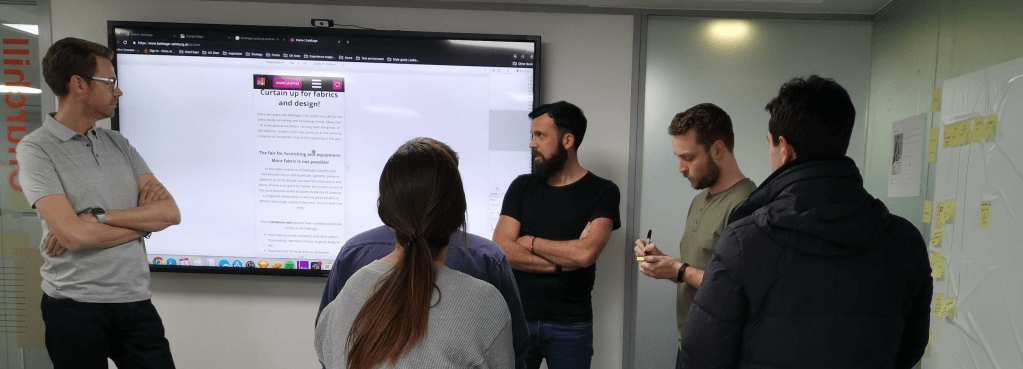
Workshop
Focusing on a first time visitor to Beletage and explore what the user is doing, thinking and feeling for each phase of the show i.e discovering, planning, attending etc. I ran a second workshop to finish off Simones journey.
The areas of focus were:
- Doing
- Thinking
- Feeling
- Pain points
- Opportunities
These were broken into the aspects of a users journey:
- Pre decision
- Decision
- Decides to go
- Lead up to show
- Day of show (during)
- Post show

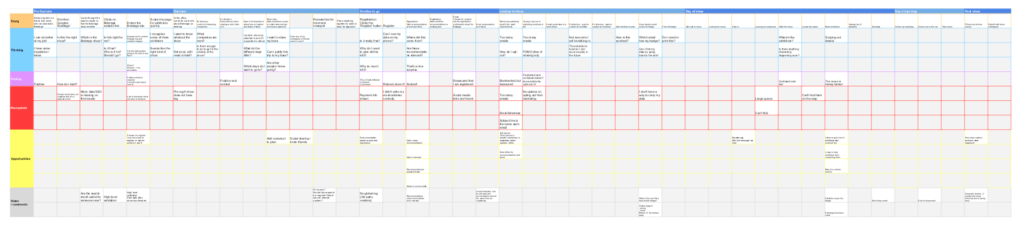
Digitised journey
Both workshops were added together into a digital version. This was then put onto confluence for stakeholders and attendees of the workshops to comment or add internal expertise.
Findings
13 pain points
Varying degrees of severity and also ownership. The areas that we had control in were Atlas, so the other areas would have be communicated to the various teams.
14 opportunities
As well as pain points, looking at solutions during the workshop was an important starting point to help kick off these smaller initiatives.
The plan was to make a more condensed map that would summarise the areas of Atlas that we could improve. This would then be a vehicle that would grow for mapping the journey, and be used in future to validate with users.
Other Reed Exhibitions projects
 Antony J White